Labs · Museum of practice

The workshop behind the portfolio.

Experiments, reconstructed systems, obsolete runtimes, and useful failures—kept in time so the evolution of both technology and practice stays visible.

Enter the chronology
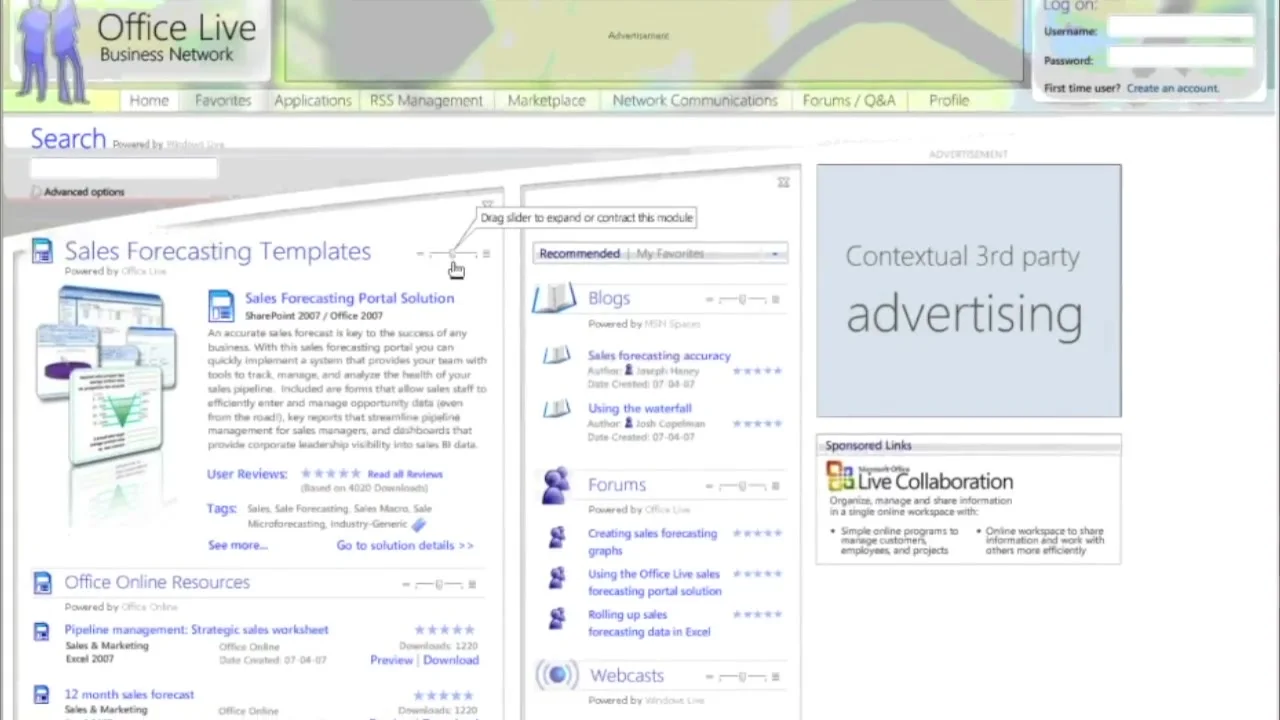
Office 365 executive vision interface artifact 2010 design · 2026 reconstruction

Reconstruction · Silverlight · SketchFlow

Office 365 Silverlight interaction recovery

A later browser player organizes preserved screen and state evidence into runnable journeys. The original design is historical; the HTML, CSS, and JavaScript execution layer is a reconstruction.

Enter the reconstruction
Early web2026

Curatorial doorways

Four ways into the same history

These are editorial invitations, not filters. Every exhibit keeps one chronological home.

Canonical structure

A working history, not a victory lap

Dates establish where an artifact belongs. Relationships explain why it still matters. Original work and later reconstruction are labeled separately.

Runnable Historical evidence Reconstruction Context pending

2026

Guardrails, recoveries, and small tools becoming systems

Editorial review Toolmaking · Reversible systems

Visual Curator: from media board to guarded authoring system

A curation surface evolved past drag-and-drop into explicit authority, preview, conflict detection, and recoverable history. The interesting object is not the board—it is the safety model built around changing evidence.

  • Canonical content remains the authority
  • Preview and apply are separate operations
  • Source hashes block stale writes
  • Undo, redo, and snapshots preserve recovery
Guarded curation transaction
  1. 01Media assetssource evidence
  2. 02Canonical authorityidentity + order
  3. 03Draft + previewreversible intent
  4. 04Hash guarddetect external drift
  5. 05Atomic applybounded mutation
  6. 06Verify + recoverhistory ledger

Useful failure Evidence capture

Q10 Capture: the Keynote boundary

The automated route ended at the point where the work had to become a reliable artifact: Apple Events timed out before a usable Keynote deck existed. The failure defined the boundary. Portable evidence and deterministic verification remained. Visual assembly and final acceptance stayed human-authored.

Portable schemaAutomation attemptHuman-buildable kit

Method note AI-assisted work · Human authority

AI-assisted work remains evidence, not authority

AI-assisted output is kept reviewable before it affects a public record. Provenance, previews, source checks, and recovery paths establish what changed; consequential interpretation and final acceptance remain human judgments.

  • Make the source of record explicit
  • Preview changes before applying them
  • Preserve a path to verify and recover
UX Edge Case Generator interface preview

Runnable Tool · Usability

UX Edge Case Generator

A bounded tool for pressure-testing interfaces against eighty difficult states. It stores work locally and does not need an AI service to be useful.

Open the tool

Reconstruction Historical design + modern interaction layer

AtmosFX Media Player: seven states recovered from 135 screen-like groups

The source preserved component geometry and focus language, but several export paths failed and no complete prototype wiring survived. The reconstruction uses only one visually compatible generation and plainly separates historical screen art from the new D-pad graph.

Evidence-to-interaction boundary
  1. 01Immutable Sketchhistorical source
  2. 02135 screen groupsstates, not wiring
  3. 03Generation clustercompatible visual set
  4. 04Seven-state pathsupported sequence
  5. 05D-pad graph2026 reconstruction

2010

Enterprise product visions at the edge of their original runtimes

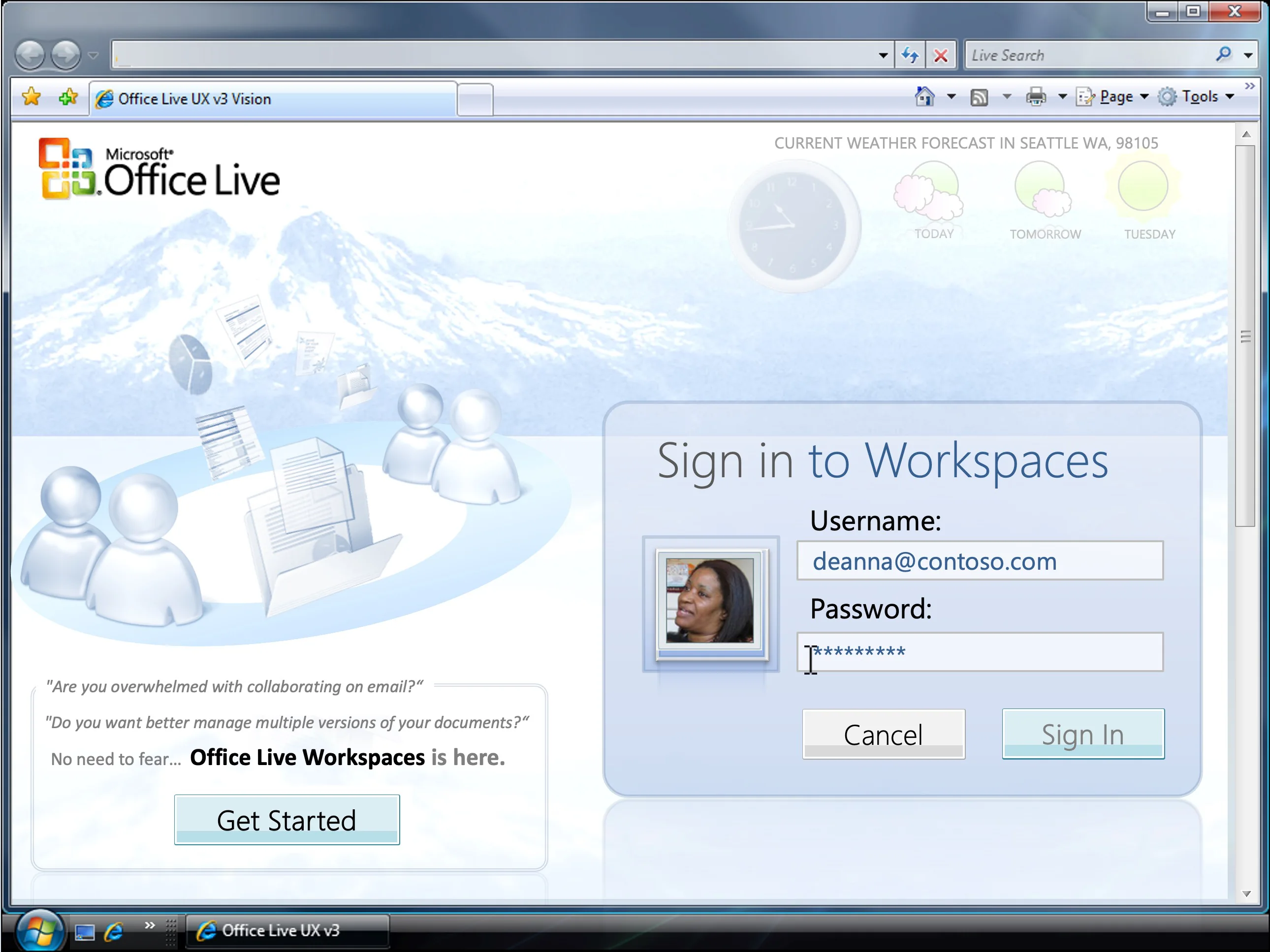
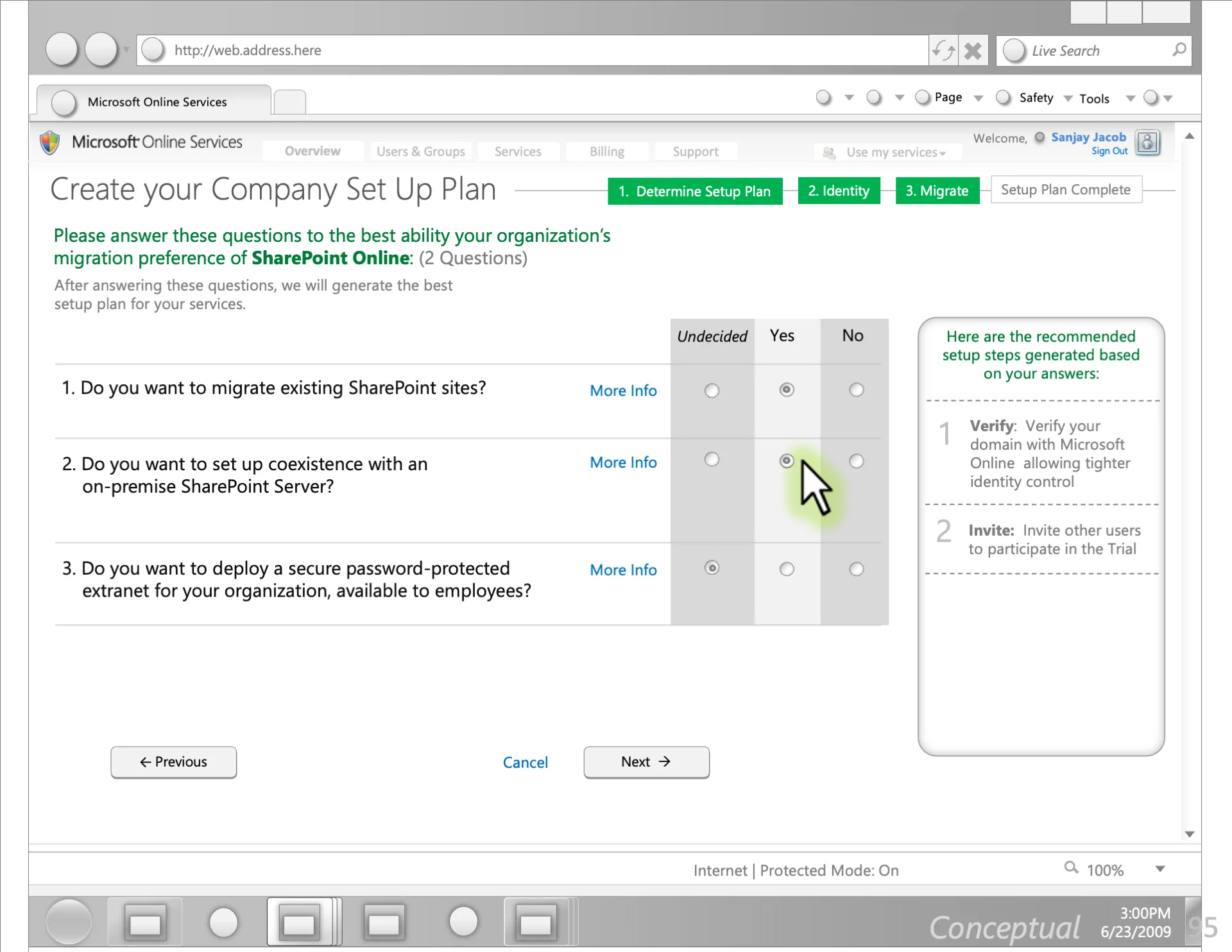
Office 365 executive vision interface artifact

Reconstruction Silverlight · SketchFlow

Office 365 Silverlight interaction recovery

A later browser player organizes recovered screens, state evidence, and validated interaction signals into runnable journeys. The design is historical; the HTML, CSS, and JavaScript execution layer is not.

Enter the reconstruction

Deep record · Runtime archaeology

How 175 recovered screens become a defensible browser journey

The reconstruction only becomes credible when each transformation is visible: extraction, state selection, validation, and disclosure. The architecture is part of the exhibit.

Runtime-faithful replatforming
  1. 01Historical evidenceXAP + SketchFlow
  2. 02Recovered statesscreens + signals
  3. 03175-screen manifesttraceable inventory
  4. 04Selected journeysbounded paths
  5. 05Browser playernew execution layer
  6. 06Disclosurewhat is and is not original

2007

Testing two interaction models before the browser conventions settled

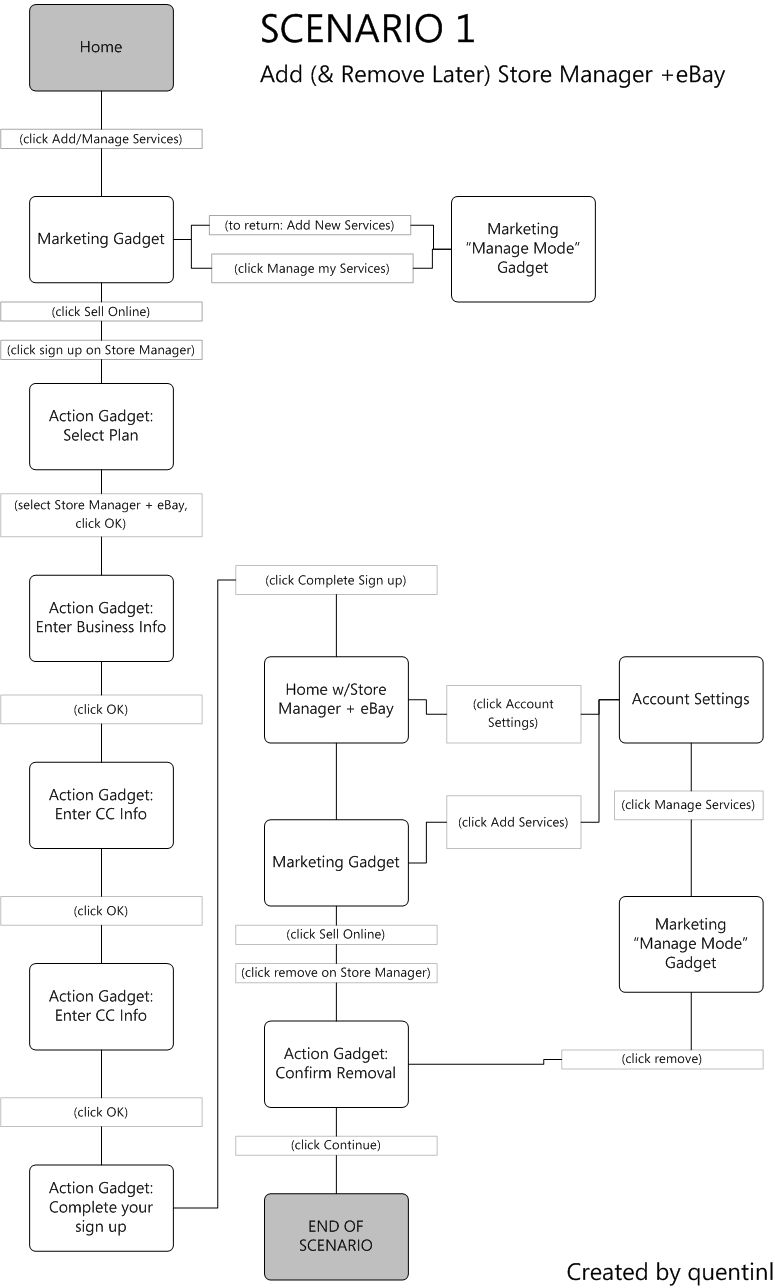
Office Live Configurator usability test artifact

Original variants Usability · A/B interaction

Office Live Configurator variants A and B

Two surviving HTML variants and a scenario-flow artifact preserve the test apparatus as well as the interface. The public wrapper keeps unfinished and redaction-sensitive material behind an explicit boundary.

Review the surviving evidence

c. 2005

Motion as a way to make an enterprise future discussable

Work Essentials blue-sky product vision poster

Historical evidence Product vision · Motion

Work Essentials blue-sky vision

An edited walkthrough and surviving still preserve the design proposition, not a verified executable runtime. Its value is seeing motion used as a reasoning and alignment tool—not as decoration.

Early 2000s

Small interactions from a web that expected you to explore

c. 2002 · Date unverified

STP start / finish comparison

The earliest explicit year signal in the archive. The filenames preserve “2002,” but the project, role, and date still need first-person confirmation.

Flash era · Interaction glimpse

Pick up & throw

A tiny ball microinteraction survives with one unusually concrete verb. Runtime recovery and original purpose remain open.

Archive · Confidentiality review

Cendant spatial maps

Bird's-eye and perspective image maps used small spatial hotspots to reveal signage details—an interface convention that now feels archaeological.

Archive · Curiosity

The Easter map and outtakes

A literal map and popup-image branch may preserve deliberate discovery design. It needs context before nostalgia is allowed to become a story.

Undated

A record awaiting historical context

Office Live animated presentation vision artifact

Context pending Motion · Presentation prototype

Office Live animated PowerPoint vision

Presentation software used as an interaction and motion medium. The surviving visual is strong; the original technique, audience, and exact date still need confirmation before a deeper public record.

The public boundary

Not everything in the workshop is ready to be an exhibit.

Some records are runnable. Some are partial. Some still need dates, authorship, redaction, or an honest explanation of where AI did—and did not—participate. Labs keeps those distinctions visible rather than polishing them away.

Runnable Historical evidence Reconstruction Context pending